Container care

A little maintenance goes a long way.

Shipping containers are built to take a beating, but a few simple habits can help keep yours easier to use and in better condition for years to come.

Routine maintenance is the owner's responsibility and may be required to maintain warranty coverage.
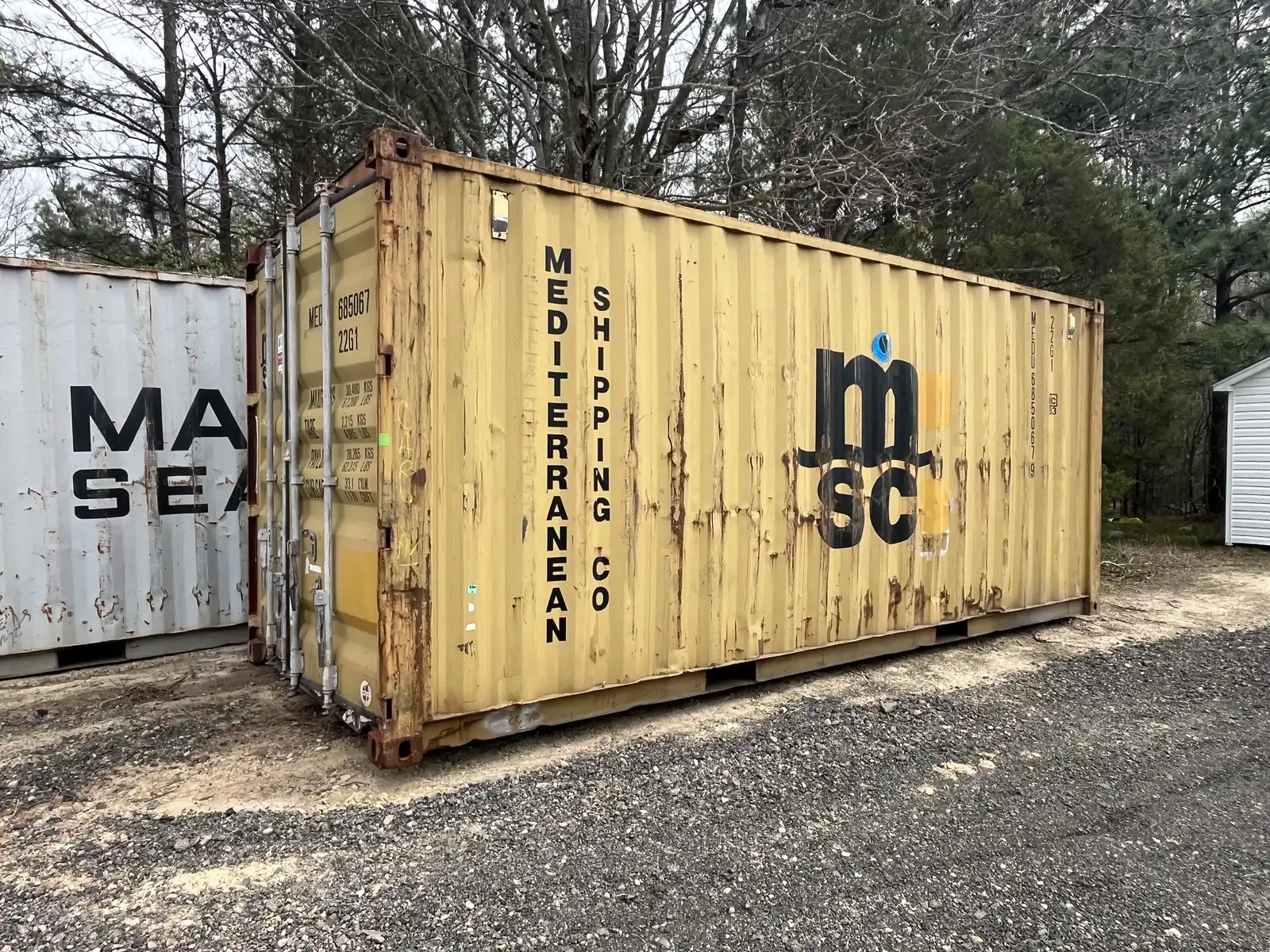
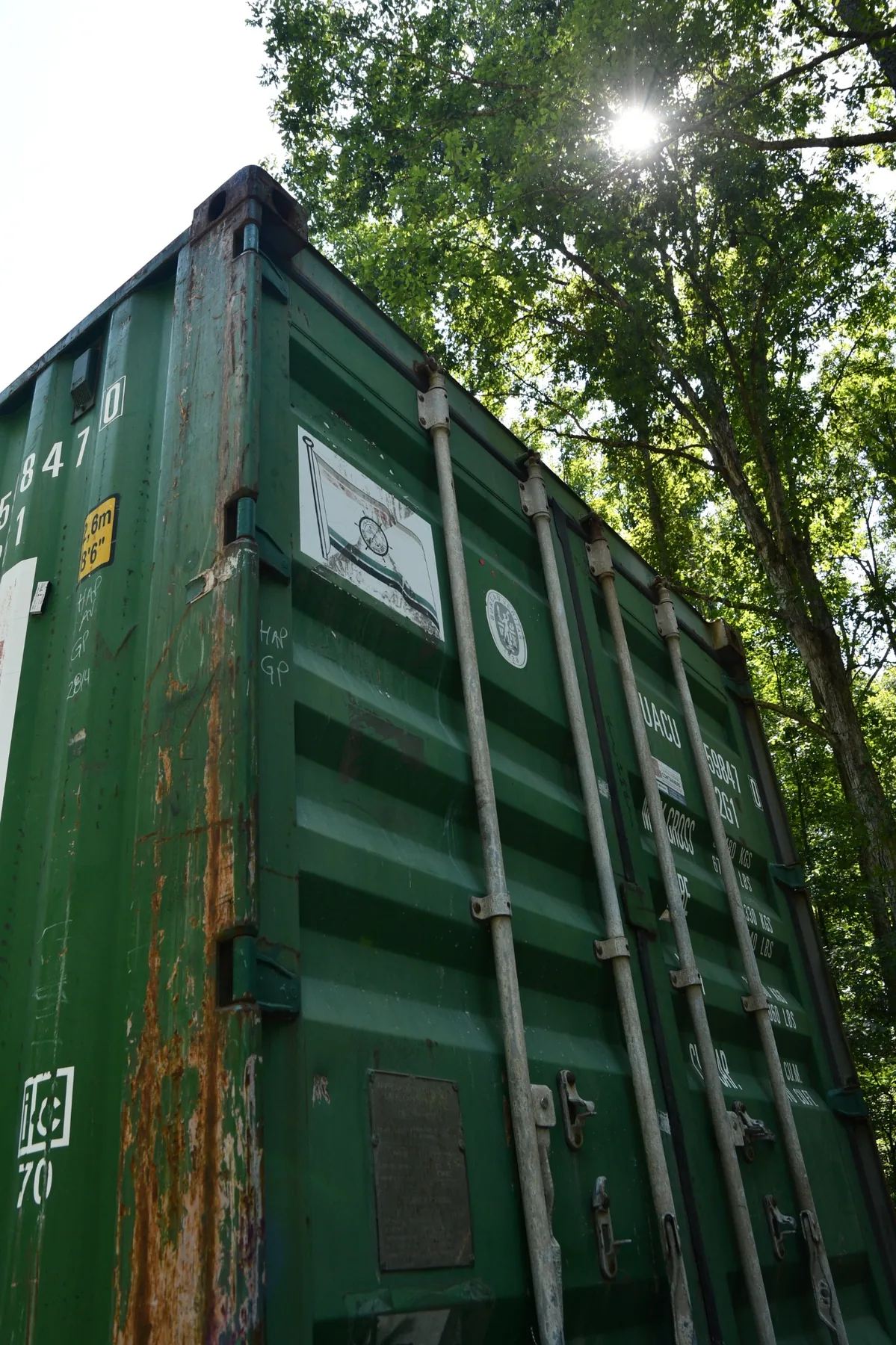
Used shipping container in a yard showing normal cosmetic wear and surface rust
Owner's field guide
What matters after delivery
01Keep it level

If the doors get harder to use, check the level first.

Containers can settle over time, especially on softer ground. If one corner drops, the container can twist slightly and the cargo doors may become harder to open or close. Check that the container remains properly supported and reasonably level, and re-level it if needed.

A container carries its weight at the four corner castings, not along the middle of the rails. Firm, level support under those four corners — pavers, blocks, or a prepared pad — is what keeps the frame square and the doors working.

See Delivery & Site Prep
Container being set down from a tilt-deck trailer onto prepared ground
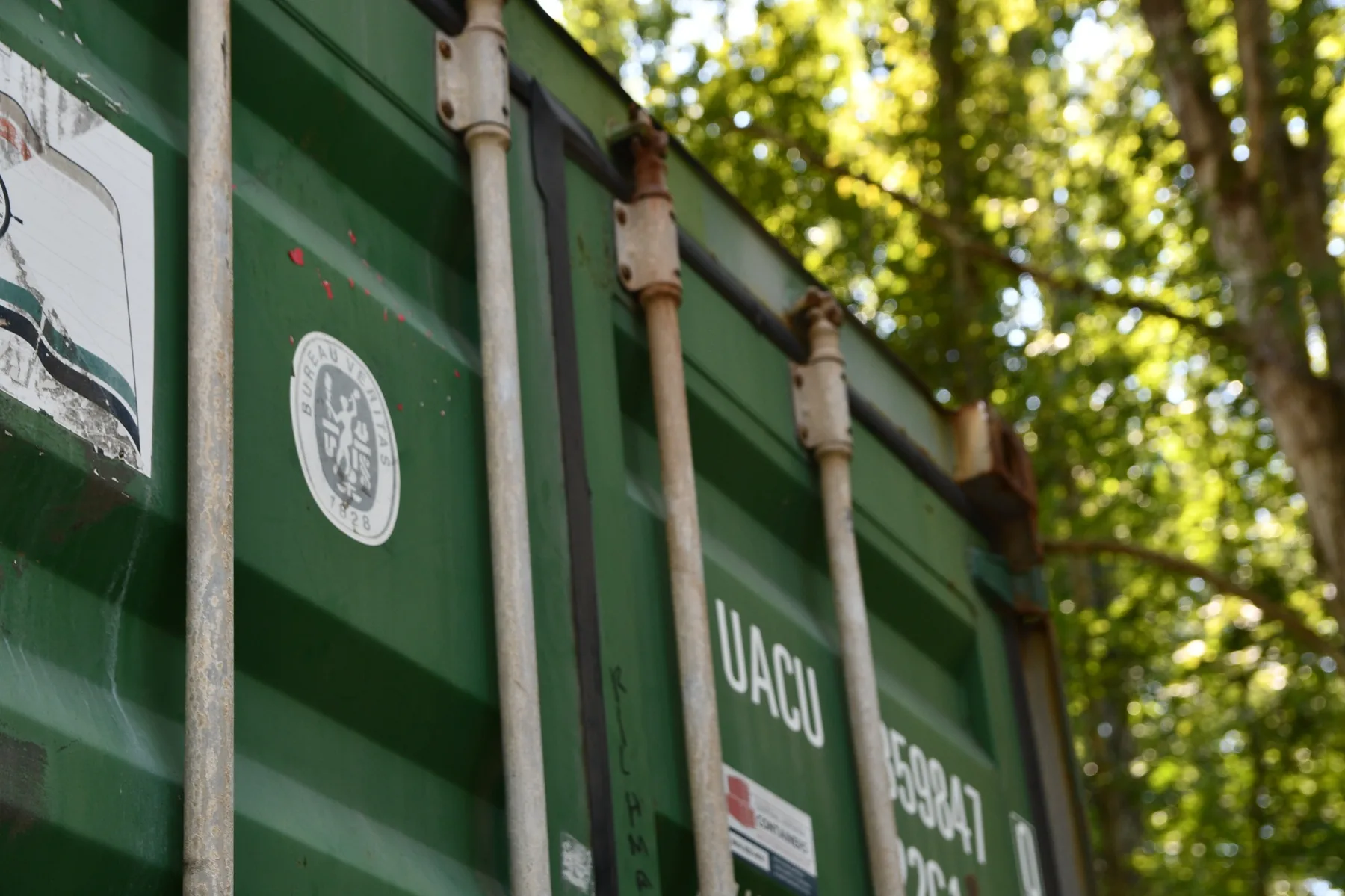
Cargo door end of a container showing locking bars, handles and hinges
02Take care of the doors

Keep the hinges and locking bars moving freely.

Cargo doors are heavy, mechanical components. A little routine lubrication can make a big difference. Periodically lubricate door hinges, locking-bar pivot points, handles, and moving hardware. If the doors suddenly become difficult to operate, check the container level before assuming the hardware is the problem.

Opening and closing without damaging anything
  • Open the right-hand door first, then the left. Close the left first so the right can latch over it.
  • When you close up, make sure each locking bar seats in its keeper at the top and bottom. Forcing a bar that is not seated is how they get bent.
  • The doors are heavy and catch wind. Watch them on breezy days and keep hands and feet clear.
03Moisture & condensation

Wind and watertight doesn't mean condensation can't happen.

Condensation comes from moisture and temperature changes inside the container, not necessarily from a leak. Start by keeping wet or damp items out of the container whenever possible and leave room for air to circulate around stored items.

Leaving a little space along the walls and above the load helps, too — air that can move is far less likely to give up its moisture on the steel when the temperature swings.

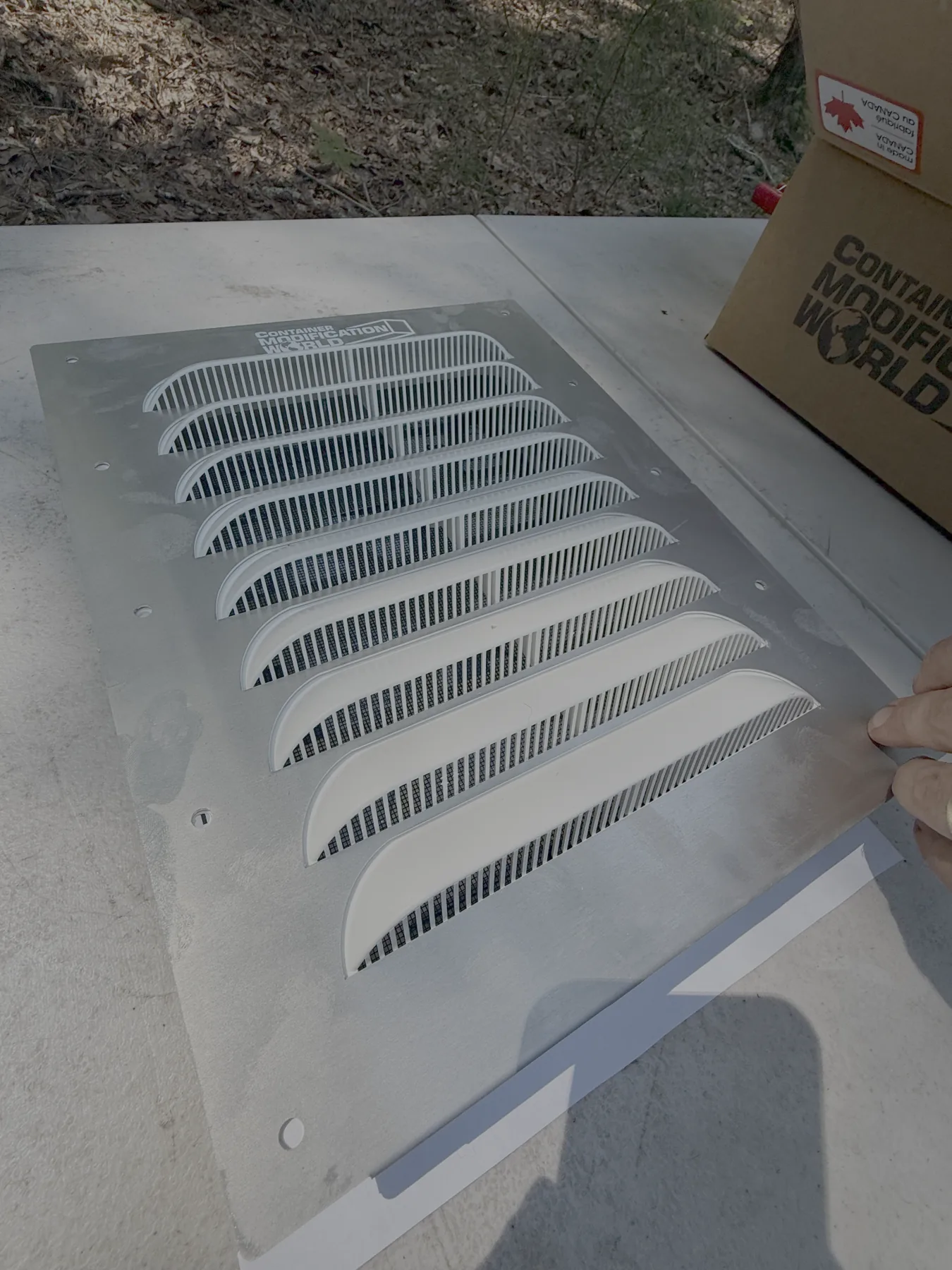
If moisture is a recurring issue, consider
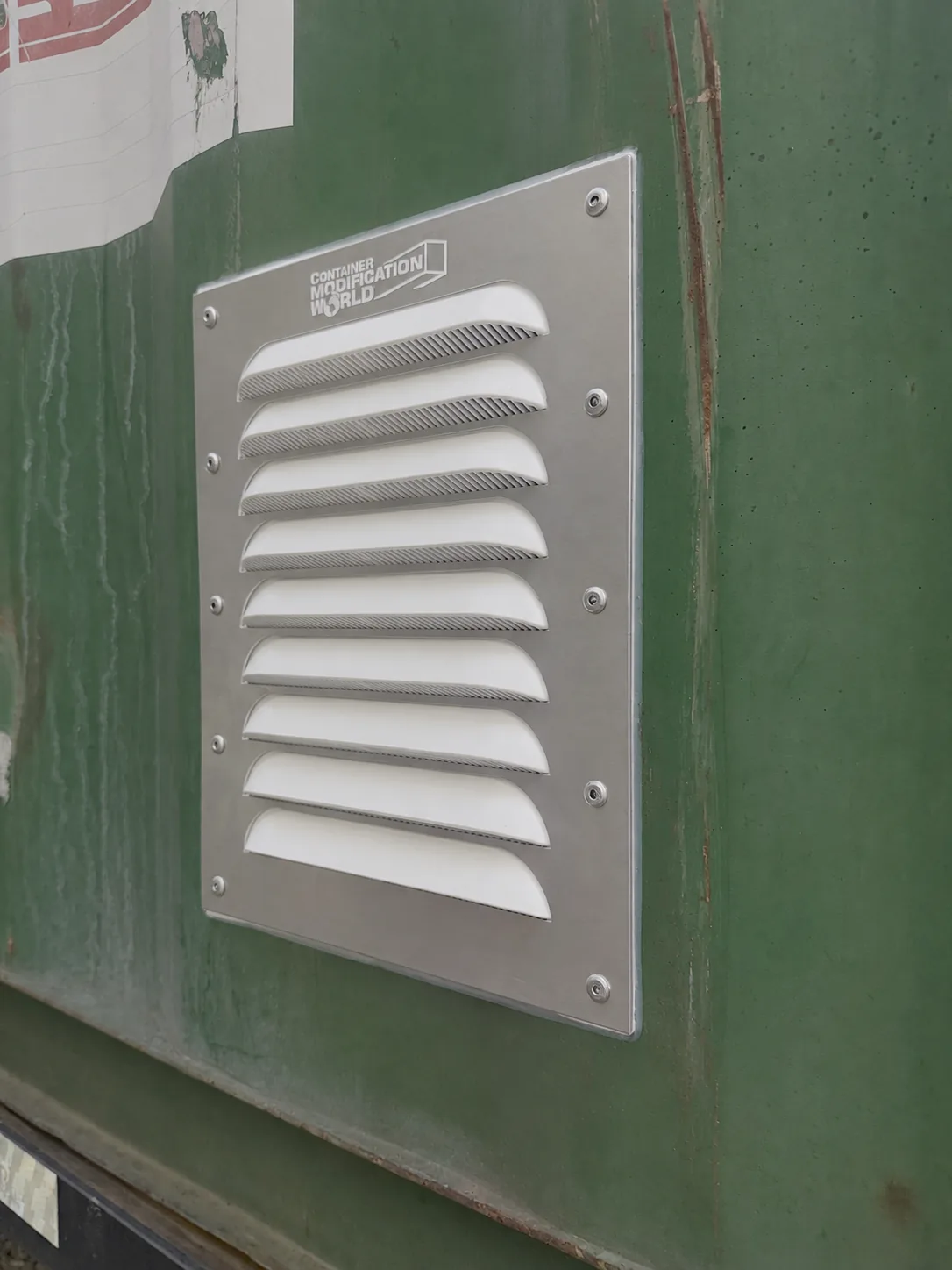
  • Additional ventilation
  • Powered or solar ventilation
  • Insulation
  • Climate control
Rectangular metal vent panel with angled slats, held by a hand on a concrete surface with a cardboard box labeled "Container Modification World" nearby.
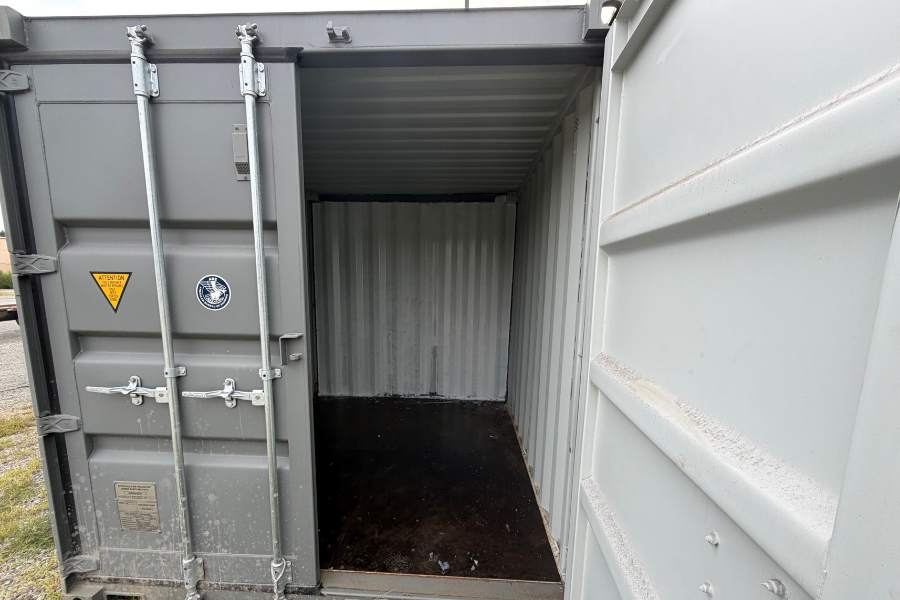
View inside an open grey shipping container showing empty interior with metal walls and dark floor.
04Rust, scratches & paint

Small maintenance now can prevent bigger repairs later.

Used containers are expected to show cosmetic wear, including scratches, dents, fading, and surface rust. Periodically walk around the container and look for areas where paint has been damaged or corrosion is becoming more significant. Surface rust is not unusual on a used container. What matters is catching deeper corrosion, thinning metal, or holes before they become larger problems.

Rinsing dirt, tree debris and loose surface rust off the exterior with a hose, a brush and a mild cleaner goes a long way. Touching up bare or damaged paint helps keep those spots from thinning further. For deeper corrosion or larger dents, have it looked at rather than painted over.

Ask About Container Painting
05Look up occasionally

Keep the roof clear.

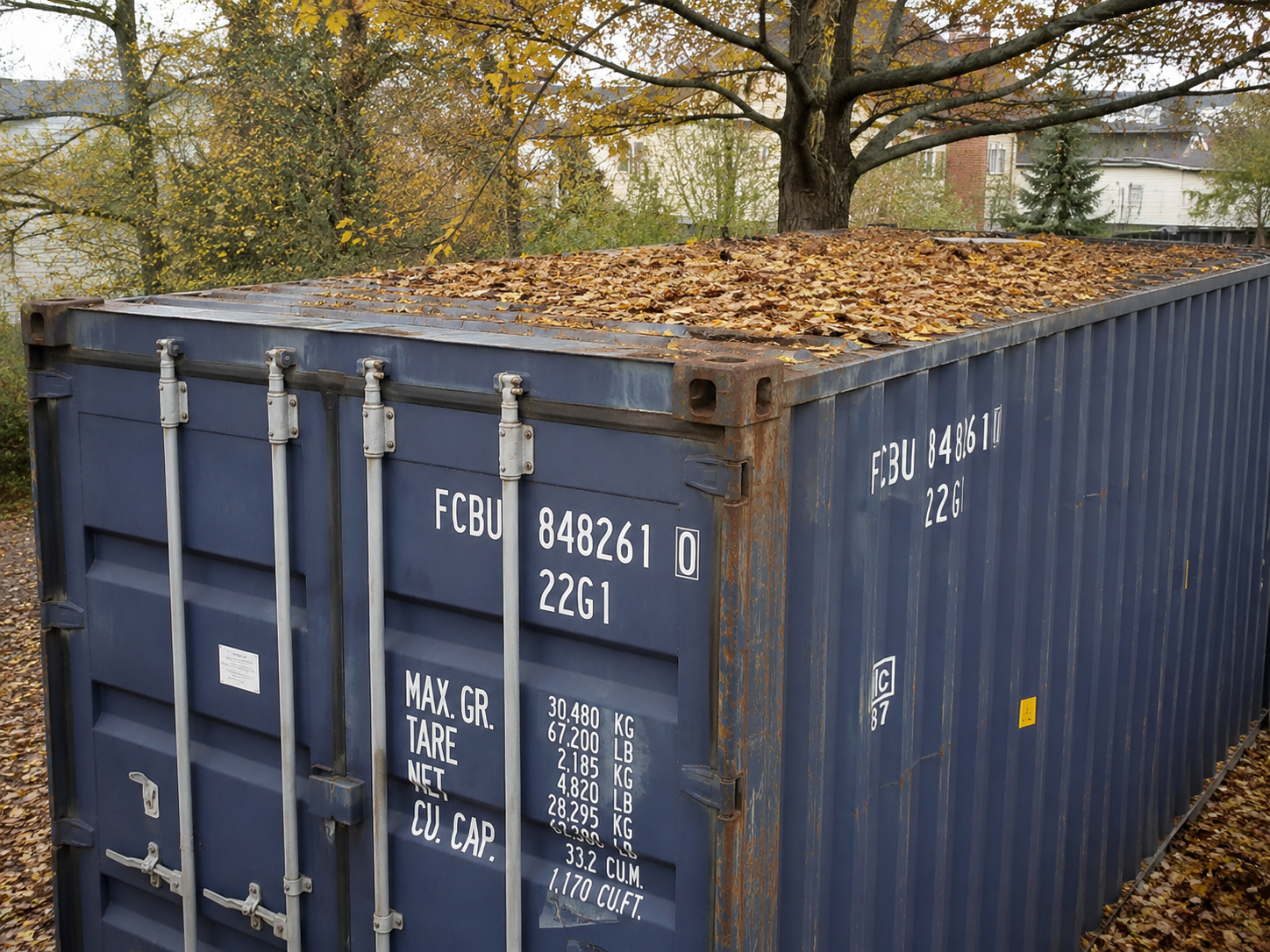
Leaves, branches, dirt, standing water, snow, and other debris can trap moisture against the roof. Occasionally inspect the top of the container — especially after storms or seasonal weather — and clear debris or standing water if it can be done safely.

Keep heavy items off the roof as well. A container is built to carry weight through its four corner posts, not across the roof panels.

Warranty note: leaving leaves, snow, standing water, or debris on the roof may void warranty coverage.

Container Care, Leaf removal from roof of shipping container, blue shipping container
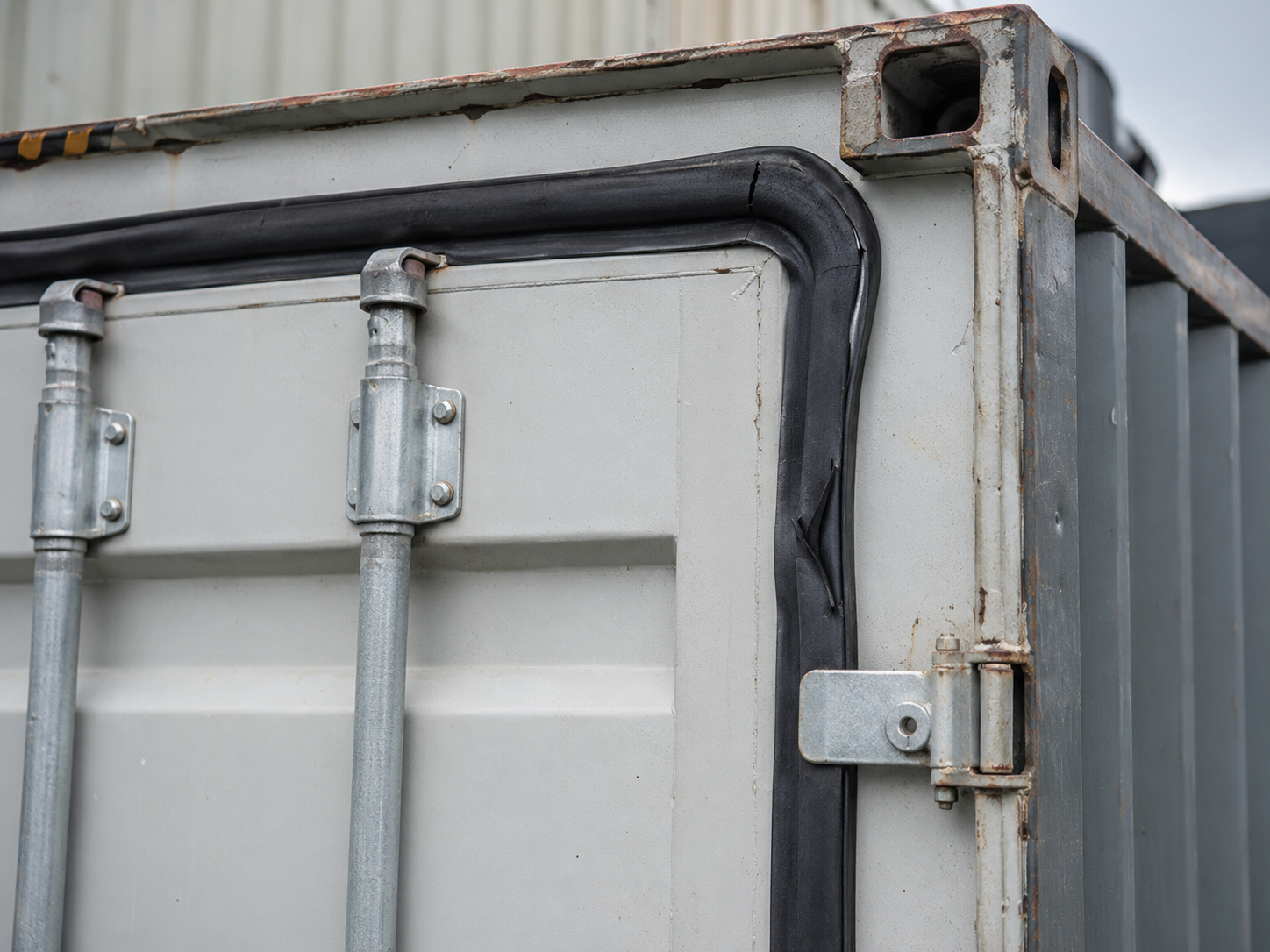
Close-up of a gray industrial container door corner with metal hinges and a black rubber seal showing a tear.
06Check door seals

Inspect the rubber gaskets around the cargo doors.

The rubber seals around the cargo doors help keep wind and rain out. Periodically check for tears, cracking, missing sections, or seals pulling away from the door.

If your container has added windows or personnel doors, look over the caulk and weather stripping around those openings about once a year and replace it when it cracks, peels or pulls loose.

07Modified containers

Added systems need normal maintenance too.

If your container has been modified with HVAC, electrical, plumbing, windows, doors, vents, or other systems, those components should be maintained like the same systems in any other structure. If something looks damaged or you are unsure about an electrical, plumbing, or structural issue, have the appropriate professional inspect it.

Practically, that means changing A/C filters on the manufacturer's schedule, checking drain lines after any settling, and looking over electrical connections for damage or looseness — with a licensed electrician for anything beyond a visual check.

Closeup of a metallic ventilation panel with horizontal slats mounted on a weathered green surface, featuring the text 'CONTAINER MODIFICATION WORLD' at the top left.
Section 08

Your 5-minute container check.

Run through this a few times a year, and after big storms. Print it and keep it with the keys.

Print This Checklist
  1. 01Open and close the doorsMake sure everything moves freely.
  2. 02Look at the levelCheck for obvious settling or twisting.
  3. 03Walk the exteriorLook for damaged paint, rust, or new damage.
  4. 04Check the sealsInspect the cargo-door gaskets.
  5. 05Look for moistureCheck inside for condensation or signs of a leak.
  6. 06Check the roof from the groundLook for obvious debris or pooling water.
Once a year

A slightly longer look, worth putting on the calendar.

  • Lubricate hinges, locking-bar pivots and handles.
  • Check caulk and weather stripping around any added windows or doors.
  • On modified units: A/C filters, drain lines and electrical connections.
  • Wash down the exterior and touch up bare or damaged paint.
Maintenance & warranty

Basic maintenance is part of responsible container ownership. Failing to perform routine maintenance — including allowing leaves, debris, standing water, snow, or similar buildup to remain on the roof or exterior surfaces — may void warranty coverage.

If you are not sure whether something counts as normal wear or a real problem, send us a photo. We would rather look at it early.

Section 09 · Troubleshooting

Something doesn't seem right?

Explore Modifications
My doors are suddenly hard to open.
Check whether the container has settled or become unlevel, then inspect and lubricate the door hardware.
The doors won't latch closed.
Check that each locking bar is seating in its keeper at the top and bottom, and that the container has not settled out of level. Don't force a bar that isn't lined up.
I have moisture inside.
Confirm the items being stored are dry, improve airflow, and consider additional ventilation or insulation if the issue continues.
I see rust.
Surface rust can be normal on a used container. Monitor it and address areas where corrosion is becoming deeper or paint has failed.
I see water inside after rain.
That may indicate a leak rather than condensation. Contact Central Virginia Containers so the issue can be evaluated.
I want to upgrade the container.
Doors, windows, vents, insulation, electrical, climate control, paint, and other modifications can be added depending on the project.

Take care of the container, and it will take care of what's inside.

Have a question about maintenance, a repair, or an upgrade? Send us a photo or give us a call and we'll help point you in the right direction.

CallTextQuote